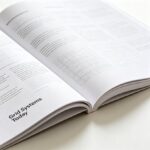
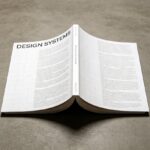
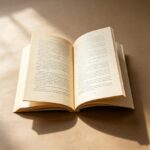
Divided into ordinary perfect binding and sewn perfect binding:
Ordinary perfect binding: book pages are first folded into signatures, stacked neatly, the paper edge on the spine side is roughened and ground, hot melt adhesive is applied, and the cover is glued to the roughened spine. No wire/thread.
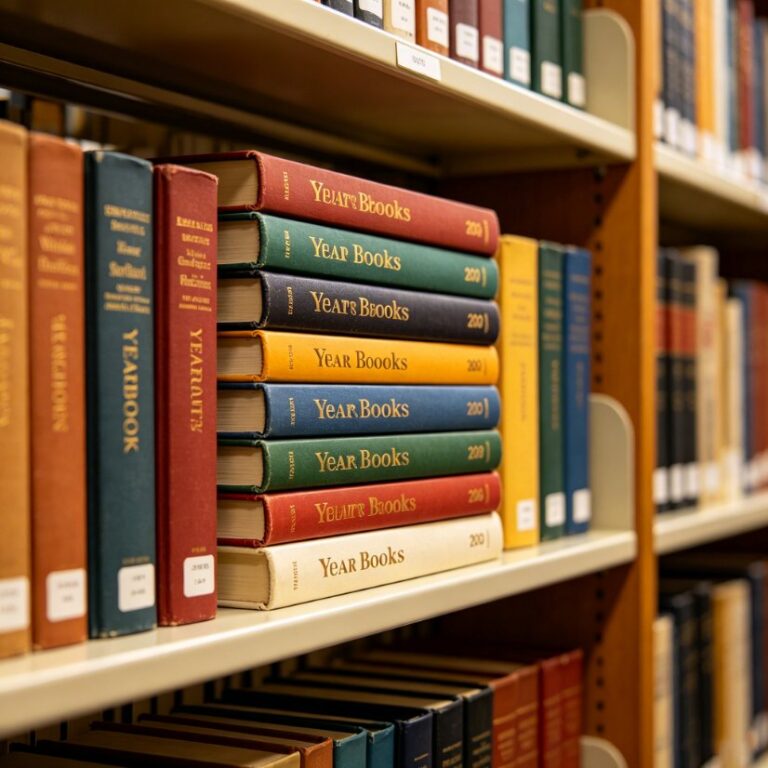
The book has an independent spine, can print the book title and number; the book can stand upright on a bookshelf;
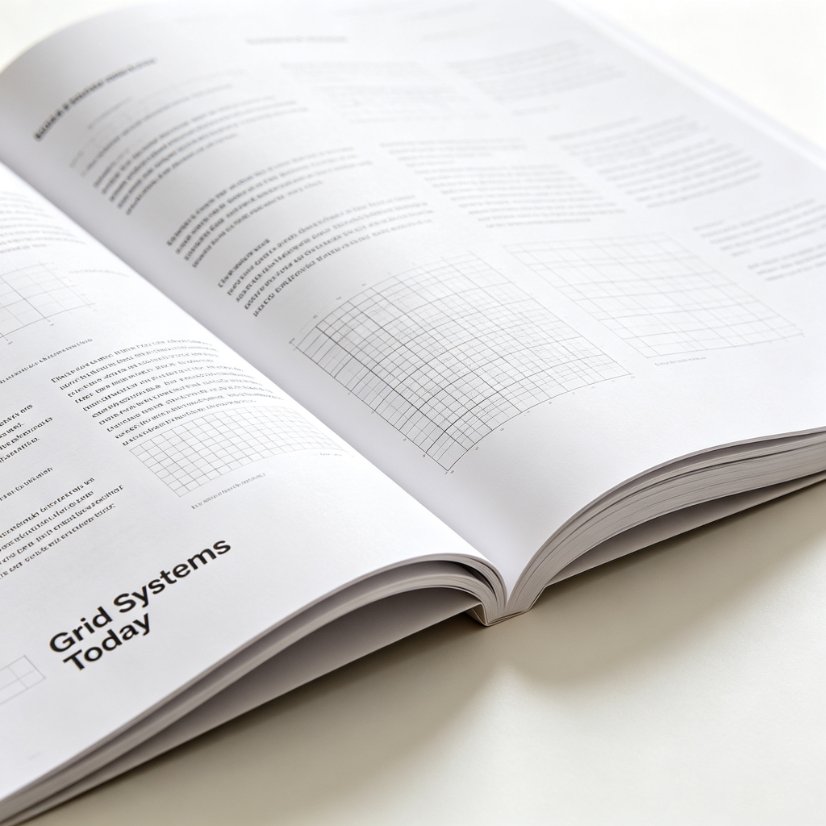
When opened, there is a dead angle near the spine that cannot lie completely flat; thick books are difficult to open 180°; pages are only held by glue, and pages easily fall out when pulled hard.
Sewn perfect binding: each signature is first sewn together with cotton thread, then glued as a whole, and the cover is attached.
Can open nearly 180° flat, greatly improved durability, pages not easy to fall out.
Wide page count range, suitable for thick albums and books. Cost is higher than ordinary perfect binding.
Product manuals, books, corporate brochures, theses, teaching aids, magazines, sample books. Ordinary perfect binding is suitable for one-time reading; sewn perfect binding is suitable for thick booklets that need repeated reading.
Size: finished A6–A3;
Page count: ≥32P starting, upper limit can reach several hundred pages;
Paper: 70–250g offset / art paper;
Cost: medium, more expensive than saddle stitching, cheaper than hardcover.